 admin
adminArtificial Intelligence (AI) is transforming industries at an unprecedented pace. From software development and manufacturing to healthcare, finance, and cybersecurity, AI is becoming an essential part of everyday business operations. For technical graduates, this rapid evolution presents both opportunities and challenges. While traditional technical skills remain valuable, employers now seek professionals who can work alongside AI-powered technologies to improve productivity, innovation, and decision-making.
Whether you are pursuing engineering, computer science, information technology, electronics, mechanical engineering, or any other technical discipline, learning AI can significantly improve your career prospects. AI is no longer limited to data scientists or machine learning engineers—it has become a valuable skill across almost every technical profession.
In this blog, we explore the top ten reasons why technical graduates must adopt AI for enhanced skills and long-term career success.
1. AI Skills Are in High Demand Across Industries
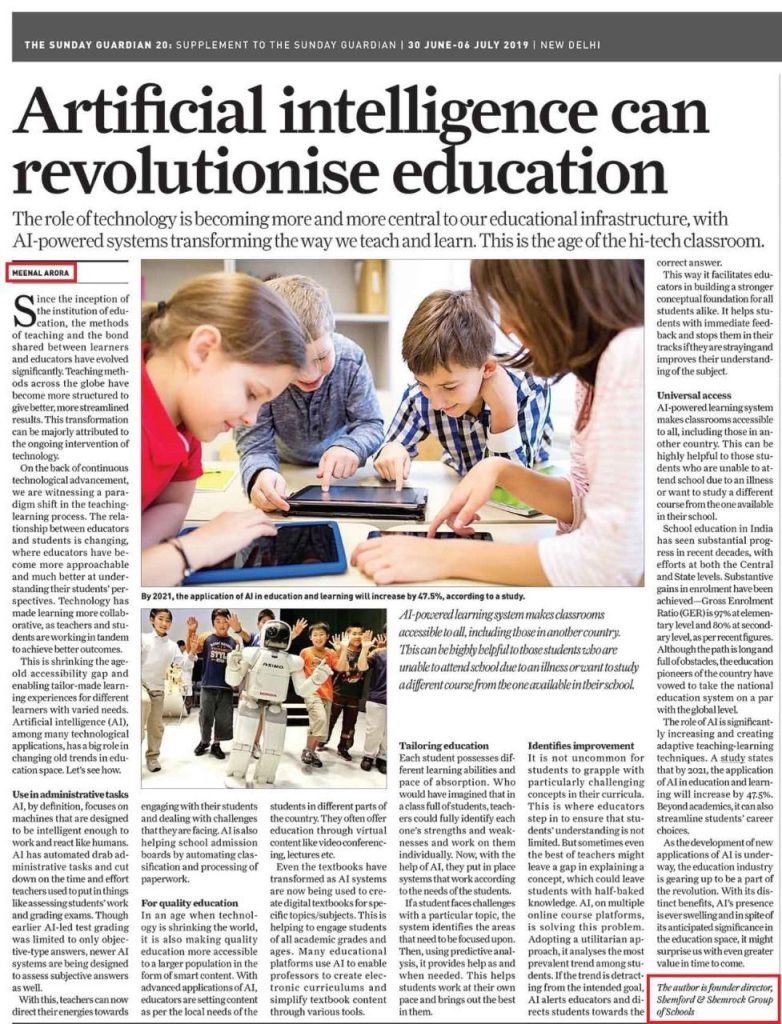
One of the biggest reasons technical graduates should learn AI is the growing demand from employers. Organizations worldwide are integrating AI into their products, services, and operations to improve efficiency and remain competitive.
Today, companies hiring software engineers, cloud engineers, mechanical engineers, and even civil engineers often prefer candidates with at least a basic understanding of AI tools and automation.
Industries actively recruiting AI-skilled professionals include:
- Information Technology
- Healthcare
- Manufacturing
- Banking & Finance
- Telecommunications
- Automobile Industry
- Robotics
- Cybersecurity
- E-commerce
- Education Technology
Adding AI to your skill set makes you a more competitive candidate in today’s job market.
2. AI Enhances Problem-Solving Skills
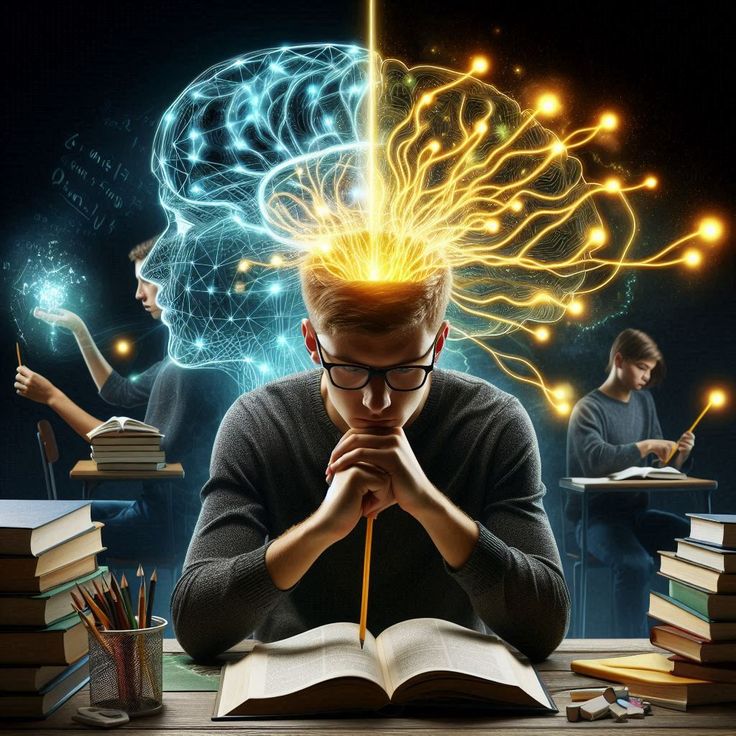
Technical graduates are trained to solve problems, but AI introduces new ways of approaching complex challenges.
AI enables professionals to:
- Analyze large datasets quickly
- Predict outcomes using machine learning
- Identify patterns invisible to humans
- Automate repetitive calculations
- Improve engineering designs
Rather than replacing analytical thinking, AI enhances it by providing intelligent insights that support better decision-making.
3. Better Career Opportunities and Higher Salaries
Employers value professionals who can work with emerging technologies.
Technical graduates with AI skills often qualify for positions such as:
- AI Engineer
- Machine Learning Engineer
- Data Analyst
- AI Product Developer
- Automation Engineer
- Computer Vision Engineer
- NLP Specialist
- Robotics Engineer
- AI Consultant
Even professionals in traditional engineering fields can secure higher-paying roles by combining their domain expertise with AI knowledge.
4. AI Improves Productivity
Many technical jobs involve repetitive tasks that consume valuable time.
AI-powered tools can automate activities such as:
- Code generation
- Software testing
- Documentation
- Data analysis
- Report preparation
- Image processing
- Design optimization
This allows professionals to focus on innovation, research, and solving higher-level technical problems.
Graduates who know how to leverage AI tools can often complete projects faster without compromising quality.
5. AI Supports Innovation
Innovation is one of the most important skills employers seek today.
AI helps technical graduates develop innovative solutions by enabling:
- Predictive maintenance
- Smart manufacturing
- Autonomous systems
- Intelligent healthcare applications
- Smart city development
- Energy optimization
- Robotics automation
Understanding AI allows graduates to contribute to future-ready technologies rather than simply maintaining existing systems.
6. AI Complements Technical Skills
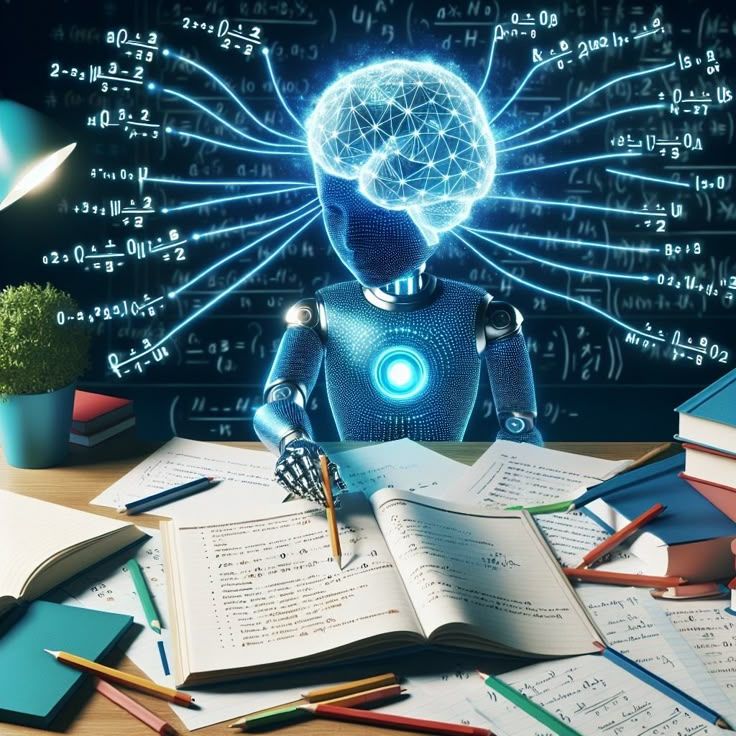
Learning AI does not mean abandoning your core engineering knowledge.
Instead, AI strengthens existing technical skills.
For example:
- Mechanical engineers use AI for predictive maintenance.
- Civil engineers use AI for structural analysis and smart infrastructure.
- Electrical engineers use AI in power systems and automation.
- Software engineers build AI-enabled applications.
- Electronics engineers develop intelligent embedded systems.
By integrating AI with your core discipline, you become a more versatile professional.
7. AI Encourages Continuous Learning
Technology evolves rapidly, and professionals who stop learning often struggle to stay relevant.
AI encourages technical graduates to explore new areas such as:
- Python Programming
- Machine Learning
- Deep Learning
- Data Analytics
- Cloud Computing
- Computer Vision
- Natural Language Processing
- Prompt Engineering
- Generative AI
Continuous learning not only improves technical expertise but also prepares graduates for future industry demands.
8. AI Makes Graduates Future-Ready
Many experts believe AI will reshape the future workplace.
Rather than fearing automation, graduates should prepare themselves to work alongside AI technologies.
Future workplaces will increasingly rely on professionals who understand:
- AI-assisted decision-making
- Intelligent automation
- Human-AI collaboration
- AI ethics
- Responsible AI implementation
Graduates who develop these skills today will be better positioned for leadership roles tomorrow.
9. AI Improves Entrepreneurship Opportunities
Technical graduates interested in startups and innovation can use AI to build scalable businesses.
AI enables entrepreneurs to create products and services such as:
- AI-powered mobile applications
- Chatbots
- Smart healthcare solutions
- EdTech platforms
- AI-based cybersecurity tools
- Intelligent automation software
- Predictive analytics platforms
Even small startups can leverage AI to compete with larger organizations by improving customer service, reducing costs, and automating business operations.
10. AI Helps Build a Competitive Professional Profile
Employers increasingly evaluate candidates based on practical skills rather than academic qualifications alone.
Graduates who possess AI knowledge can strengthen their resumes through:
- AI certification programs
- Machine learning projects
- GitHub portfolios
- AI-based internships
- Research publications
- Hackathon participation
- Open-source contributions
These achievements demonstrate initiative, adaptability, and technical competence, making candidates more attractive to recruiters.
Essential AI Skills Every Technical Graduate Should Learn
Technical graduates do not need to become AI researchers immediately. However, building a strong foundation in the following areas can significantly improve career prospects:
- Python Programming
- Machine Learning Fundamentals
- Generative AI Tools
- Data Analysis
- SQL
- Statistics
- Cloud Platforms (AWS, Azure, Google Cloud)
- Git & GitHub
- Prompt Engineering
- AI Ethics and Responsible AI
Learning these skills step by step creates a strong foundation for advanced AI careers.
How to Start Learning AI
Getting started with AI is easier than ever. Technical graduates can begin by:
- Learning Python programming.
- Understanding basic mathematics and statistics.
- Taking beginner-friendly AI and machine learning courses.
- Building simple AI projects.
- Practicing with datasets from Kaggle.
- Exploring AI tools like ChatGPT, GitHub Copilot, and Google Gemini.
- Creating a portfolio showcasing AI applications.
- Participating in coding competitions and hackathons.
- Following AI research and industry trends.
- Continuously updating skills as technology evolves.
Consistency matters more than speed. Even dedicating a few hours each week to AI learning can produce significant long-term benefits.
Challenges Technical Graduates May Face
Learning AI comes with its own challenges, including:
- Steep learning curve for beginners
- Mathematical concepts
- Understanding algorithms
- Managing large datasets
- Keeping pace with rapidly changing technology
However, with structured learning, practical projects, and regular practice, these challenges become manageable.
The Future of AI in Technical Careers
AI is expected to become a core component of nearly every engineering and technology role over the next decade. Professionals who combine technical expertise with AI capabilities will be better equipped to solve complex problems, lead innovation, and adapt to changing workplace demands.
Rather than replacing technical graduates, AI is changing the nature of work. Those who learn to use AI effectively will have greater opportunities for career growth, specialization, and leadership.
Conclusion
Artificial Intelligence is no longer an optional skill—it is becoming a fundamental part of modern technical careers. From improving productivity and innovation to creating better job opportunities and higher earning potential, AI offers countless benefits for technical graduates.
By learning AI, graduates can complement their existing technical knowledge, enhance problem-solving abilities, stay competitive in the job market, and prepare for the future of work. Whether your goal is to secure a rewarding job, pursue higher studies, or launch your own technology startup, adopting AI today is one of the smartest investments you can make in your professional journey.
The future belongs to professionals who combine strong technical foundations with AI-driven skills. Start learning today, keep experimenting, and position yourself for long-term success in the rapidly evolving world of technology.